

Running a small business in today’s digital world can feel overwhelming. Customers are searching online, comparing competitors, and making quick decisions—all in a matter of seconds. If your business isn’t visible, you risk losing opportunities. That’s where digital marketing tools come in.
These tools help small businesses manage everything from SEO, social media, email marketing, and content creation to analytics and automation—without needing a massive budget or a huge marketing team.
In this blog, I’ll walk you through the top 7 digital marketing tools for small businesses in 2025, why they matter, and how you can use them to grow your brand online.
1. Semrush – Your All-in-One SEO & Marketing Suite
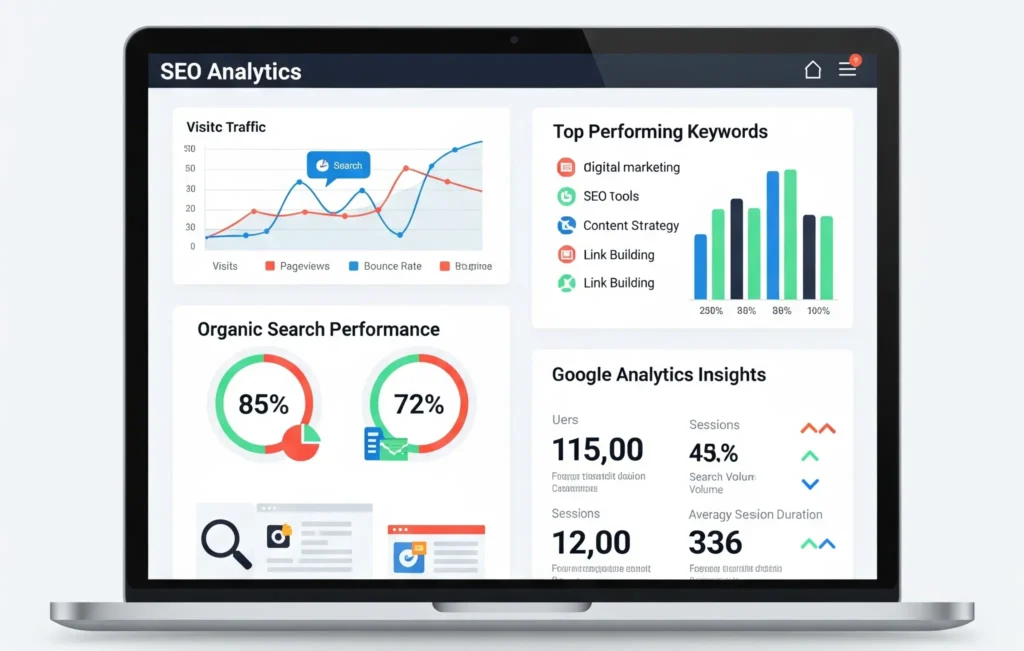
If ranking higher on Google is your priority, Semrush should be your best friend.
✨ Key Features:
Keyword research for SEO and PPC.
Competitor analysis (see what’s working for them).
Site audit to fix errors and improve ranking.
Content optimization with AI insights.
💡 Why Small Businesses Need It:
Most small businesses don’t know what keywords their customers are typing into Google. Semrush gives you that visibility so you can optimize your website, blog, and ads to capture the right audience.
2. Canva – Design Like a Pro Without Hiring One
Visuals matter. Whether it’s social media graphics, posters, or ads, small businesses often struggle with professional designs. Canva solves that.
✨ Key Features:
- Drag-and-drop design editor.
- Pre-made templates for social posts, flyers, presentations.
- Brand kit to maintain a consistent look.
- AI image generator and background remover.
💡 Why Small Businesses Need It:
You don’t need Photoshop skills or a designer. With Canva, you can create scroll-stopping visuals for free or at a low cost.
3. HubSpot – CRM + Marketing Automation
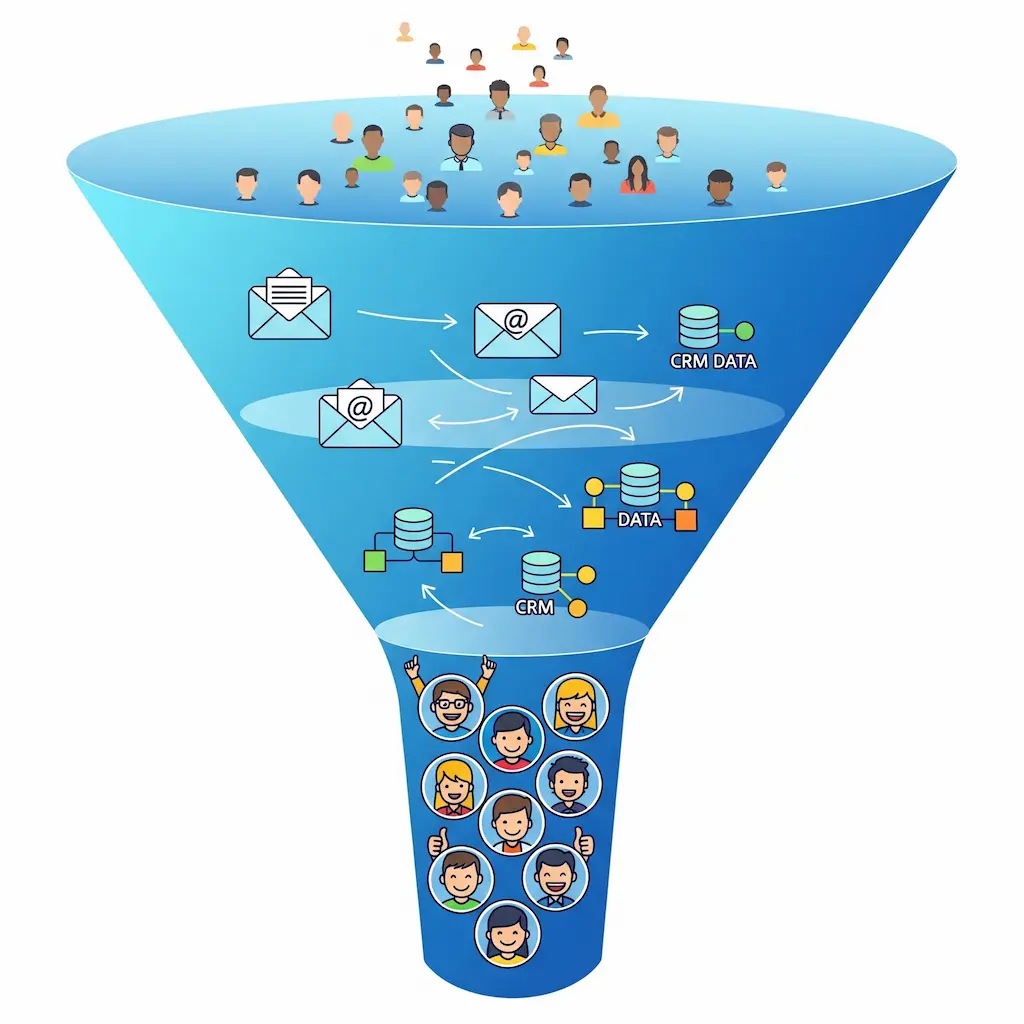
Managing customers is as important as attracting them. HubSpot is a free CRM that makes this easy.
✨ Key Features:
Store and manage customer details.
Automate emails and workflows.
Track leads and conversions.
Integrations with popular tools like Gmail, WordPress, and WhatsApp.
💡 Why Small Businesses Need It:
With HubSpot, you won’t lose track of leads. It keeps your sales and marketing in sync, making your business more professional and customer-focused.
4. Mailchimp – Easy Email Marketing for Beginners
Email marketing still delivers one of the highest ROIs in digital marketing. Mailchimp makes it beginner-friendly.
✨ Key Features:
Simple email builder with templates.
Automation (welcome emails, abandoned cart recovery).
Audience segmentation for personalization.
Analytics to track open and click rates.
💡 Why Small Businesses Need It:
You can nurture customer relationships with personalized campaigns, without needing coding or advanced design skills.
6. Buffer – Social Media Scheduling Made Simple
Staying active on social media takes time. Buffer helps you schedule posts in advance.
✨ Key Features:
Schedule posts across Facebook, Instagram, LinkedIn, and X (Twitter).
Track engagement and performance.
AI caption suggestions for posts.
Collaboration tools for teams.
💡 Why Small Businesses Need It:
Instead of manually posting daily, you can plan a week’s content in a few hours, freeing up your time to focus on customers.
7. ChatGPT – AI-Powered Content Creation
Content is king, but creating fresh, engaging posts daily is tough. That’s where ChatGPT comes in.
✨ Key Features:
Generate blog ideas, social captions, ad copy.
Write product descriptions and email campaigns.
Brainstorm marketing strategies.
Translate and localize content.
💡 Why Small Businesses Need It:
ChatGPT helps you save time, spark creativity, and scale content without hiring a full-time writer.
✅ Bonus Tools to Explore
If you’re ready to experiment beyond the basics, here are some extras worth exploring:

Trello/Asana (project management).
Yoast SEO (WordPress SEO plugin).
Google Business Profile (local visibility).
Final Thoughts
Digital marketing doesn’t have to be overwhelming or expensive. By using the right tools, small businesses can compete with larger brands, reach more customers, and build strong relationships.
The key is not to use every tool at once but to choose the ones that fit your business goals. For example:
-
If you want more website traffic → focus on Semrush & GA4.
-
If social media is your main driver → start with Canva & Buffer.
-
If customer retention is your goal → go with Mailchimp & HubSpot.
Remember, tools are powerful only when paired with a smart strategy. If you’re a business owner looking to grow online, working with the Best Freelance Digital Marketing Analyst in Malappuram can give you the right guidance, personalized strategies, and faster results.